Beethoven Opus Numbers
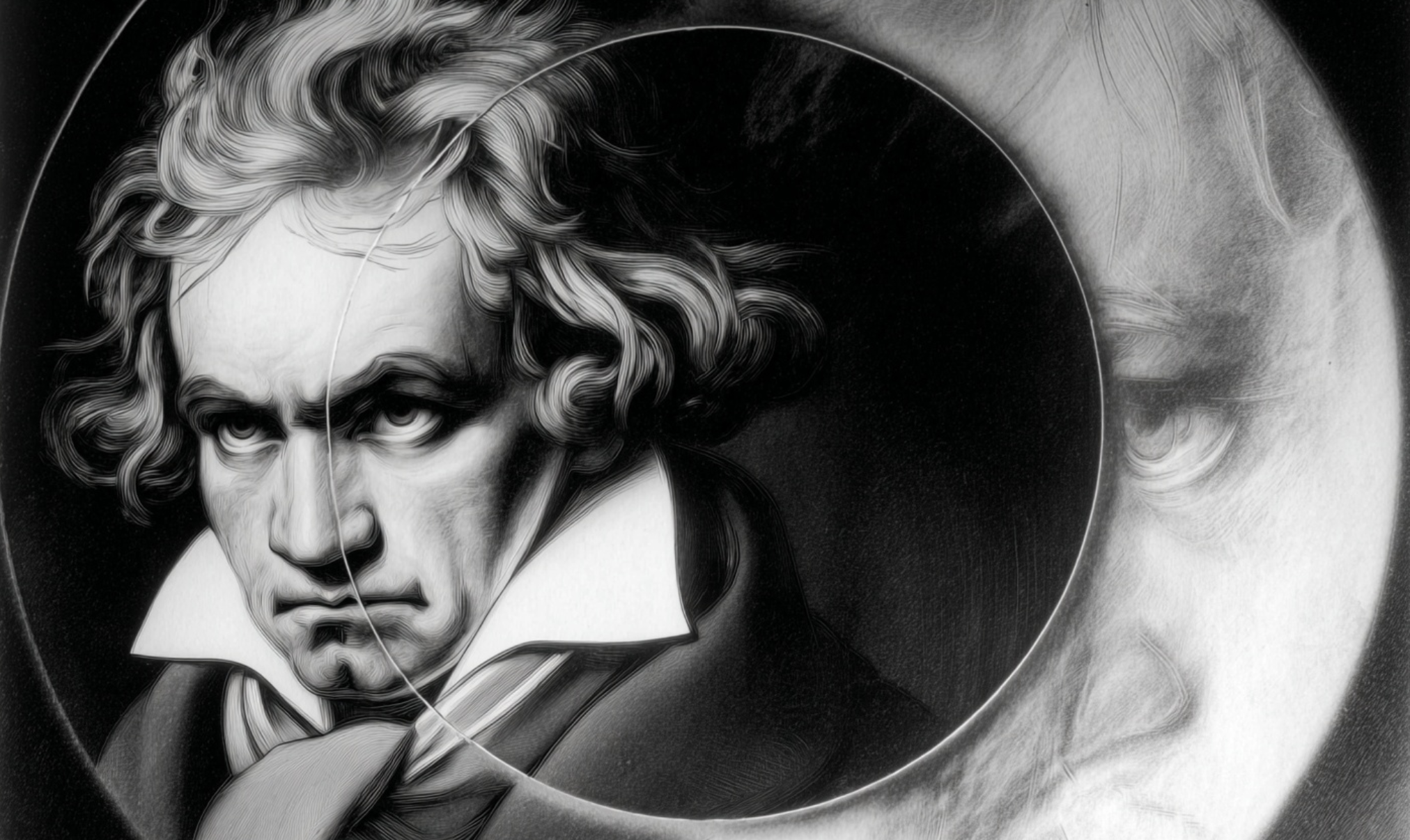
Ludwig van Beethoven
Baptised 17 December 1770, died 26 March 1827, aged 56.
| Year | Age | Opus | Works | Historical Events |
|---|---|---|---|---|
| 1795 | 25 | Op. 1 | Piano Trios Nos. 1, 2, & 3 | |
| 1796 | 26 | Op. 2 | Piano Sonatas Nos. 1, 2, & 3 | Napoleon’s Italian Campaign begins |
| 1797 | 27 | Op. 7 | Piano Sonata No. 4 | |
| 1798 | 28 | Op. 9 | String Trios Nos. 1, 2, & 3 | French occupation of Rome |
| 1798 | 28 | Op. 10 | Piano Sonatas Nos. 5, 6, & 7 | |
| 1799 | 29 | Op. 13 | Piano Sonata No. 8 “Pathétique” | Napoleon becomes First Consul |
| 1799 | 29 | Op. 14 | Piano Sonatas Nos. 9 & 10 | |
| 1800 | 30 | Op. 18 | String Quartets Nos. 1–6 | |
| 1800 | 30 | Op. 21 | Symphony No. 1 | |
| 1801 | 31 | Op. 22 | Piano Sonata No. 11 | |
| 1801 | 31 | Op. 23 | Violin Sonata No. 4 | |
| 1801 | 31 | Op. 24 | Violin Sonata No. 5 “Spring” | Treaty of Lunéville |
| 1801 | 31 | Op. 26 | Piano Sonata No. 12 | |
| 1801 | 31 | Op. 27 | Piano Sonatas Nos. 13 & 14 “Moonlight” | |
| 1801 | 31 | Op. 28 | Piano Sonata No. 15 “Pastoral” | |
| 1802 | 32 | Op. 30 | Violin Sonatas Nos. 6, 7, & 8 | |
| 1802 | 32 | Op. 31 | Piano Sonatas Nos. 16, 17, & 18 | |
| 1802 | 32 | Op. 36 | Symphony No. 2 | Heiligenstadt Testament written |
| 1803 | 33 | Op. 47 | Violin Sonata No. 9 “Kreutzer” | |
| 1804 | 34 | Op. 53 | Piano Sonata No. 21 “Waldstein” | Napoleon crowned Emperor |
| 1804 | 34 | Op. 54 | Piano Sonata No. 22 | |
| 1804 | 34 | Op. 55 | Symphony No. 3 “Eroica” | Rededicated after Napoleon’s coronation |
| 1805 | 35 | Op. 57 | Piano Sonata No. 23 “Appassionata” | Battle of Austerlitz |
| 1806 | 36 | Op. 59 | String Quartets Nos. 7–9 “Razumovsky” | Dissolution of Holy Roman Empire |
| 1806 | 36 | Op. 60 | Symphony No. 4 | |
| 1808 | 38 | Op. 67 | Symphony No. 5 | Peninsular War begins |
| 1808 | 38 | Op. 68 | Symphony No. 6 “Pastoral” | |
| 1808 | 38 | Op. 70 | Piano Trios Nos. 5 & 6 “Ghost” | |
| 1809 | 39 | Op. 74 | String Quartet No. 10 “Harp” | Battle of Wagram; Siege of Vienna |
| 1809 | 39 | Op. 78 | Piano Sonata No. 24 | |
| 1809 | 39 | Op. 79 | Piano Sonata No. 25 | |
| 1810 | 40 | Op. 81a | Piano Sonata No. 26 “Les Adieux” | Empress Marie Louise marries Napoleon |
| 1810 | 40 | Op. 95 | String Quartet No. 11 “Serioso” | |
| 1811 | 41 | Op. 97 | Piano Trio No. 7 “Archduke” | |
| 1812 | 42 | Op. 92 | Symphony No. 7 | Napoleon invades Russia |
| 1812 | 42 | Op. 93 | Symphony No. 8 | |
| 1812 | 42 | Op. 96 | Violin Sonata No. 10 | |
| 1814 | 44 | Op. 90 | Piano Sonata No. 27 | Congress of Vienna begins |
| 1816 | 46 | Op. 101 | Piano Sonata No. 28 | Year Without a Summer |
| 1818 | 48 | Op. 106 | Piano Sonata No. 29 “Hammerklavier” | |
| 1820 | 50 | Op. 109 | Piano Sonata No. 30 | |
| 1821 | 51 | Op. 110 | Piano Sonata No. 31 | Death of Napoleon |
| 1822 | 52 | Op. 111 | Piano Sonata No. 32 | |
| 1824 | 54 | Op. 125 | Symphony No. 9 “Choral” | |
| 1825 | 55 | Op. 127 | String Quartet No. 12 | Decembrist revolt in Russia |
| 1825 | 55 | Op. 132 | String Quartet No. 15 | |
| 1825 | 55 | Op. 130 | String Quartet No. 13 | |
| 1826 | 56 | Op. 131 | String Quartet No. 14 | |
| 1826 | 56 | Op. 133 | Große Fuge (String Quartet) | |
| 1826 | 56 | Op. 135 | String Quartet No. 16 |
Notes
Opus numbers generally reflect the order of publication, not the order of composition.
In Beethoven’s era, a composer might finish a work but wait years to publish it—either to polish the manuscript, find a higher-paying publisher, or wait for a more favorable political climate. For example, he wrote some of his early Piano Trios and Sonatas years before they were assigned “Opus 1” or “Opus 2.”
Composers often grouped works together for publication (like the six String Quartets of Op. 18) even if they were written over a multi-year span.
Many works were published without an opus number at all. These are categorized as WoO (Werke ohne Opuszahl—Works without opus number).
Finally, some pieces were published after his death, resulting in high opus numbers for much earlier compositions (like Op. 129, the “Rage Over a Lost Penny,” which was actually written around 1795).